subatomic-particle
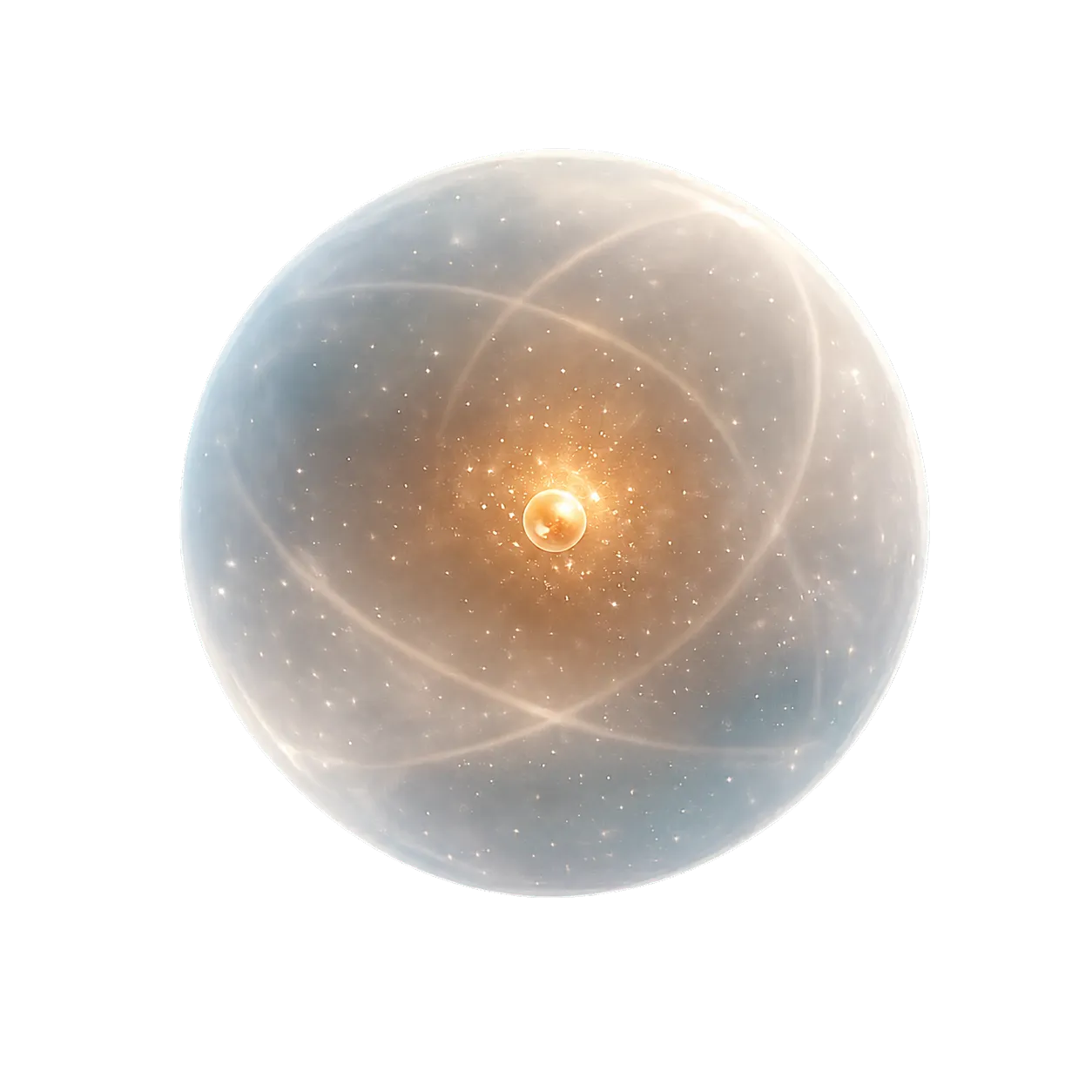
Proton
A positively charged subatomic particle and an essential component of atomic nuclei.
Read article →PHASE 1
Semantic articles remain available without Canvas or JavaScript.
subatomic-particle
A positively charged subatomic particle and an essential component of atomic nuclei.
Read article →atom
An atom of the chemical element hydrogen. In its electrically neutral state, it consists of one positively charged proton and one negatively charged electron surrounding the nucleus.
Read article →molecule
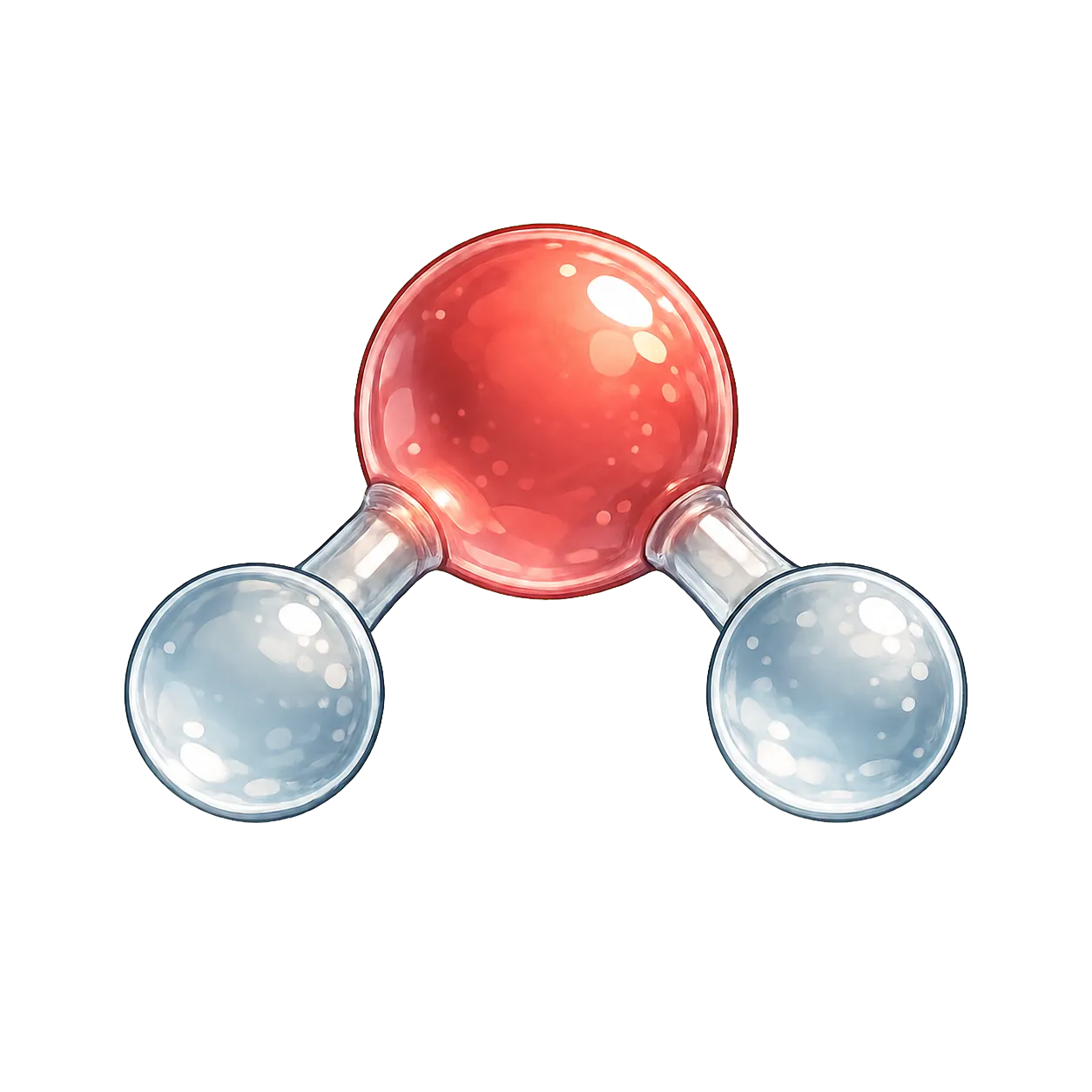
A molecule composed of hydrogen and oxygen with the chemical formula H₂O.
Read article →molecule
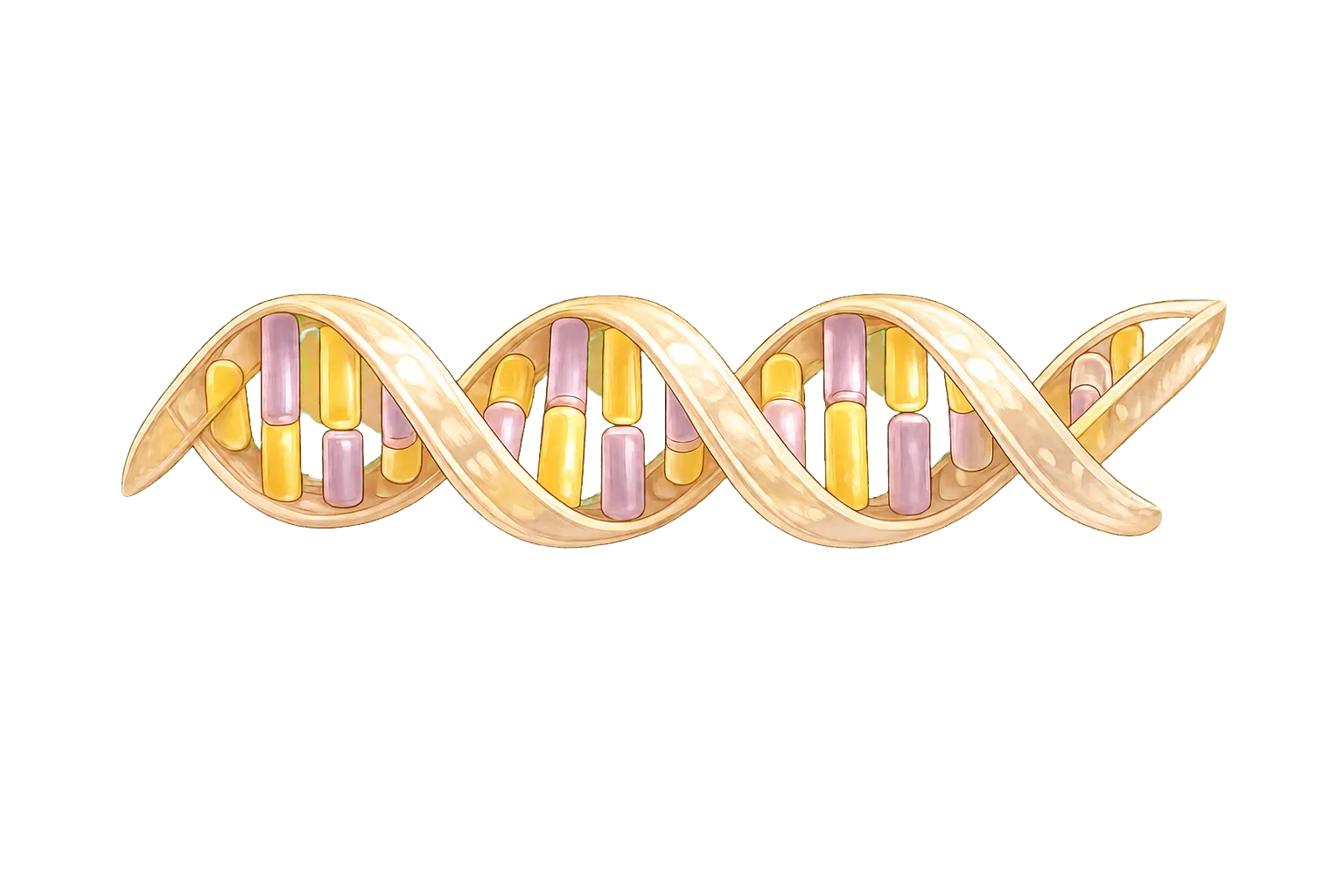
A molecule that stores the genetic information of many living organisms and has a double-helix structure.
Read article →biological-particle
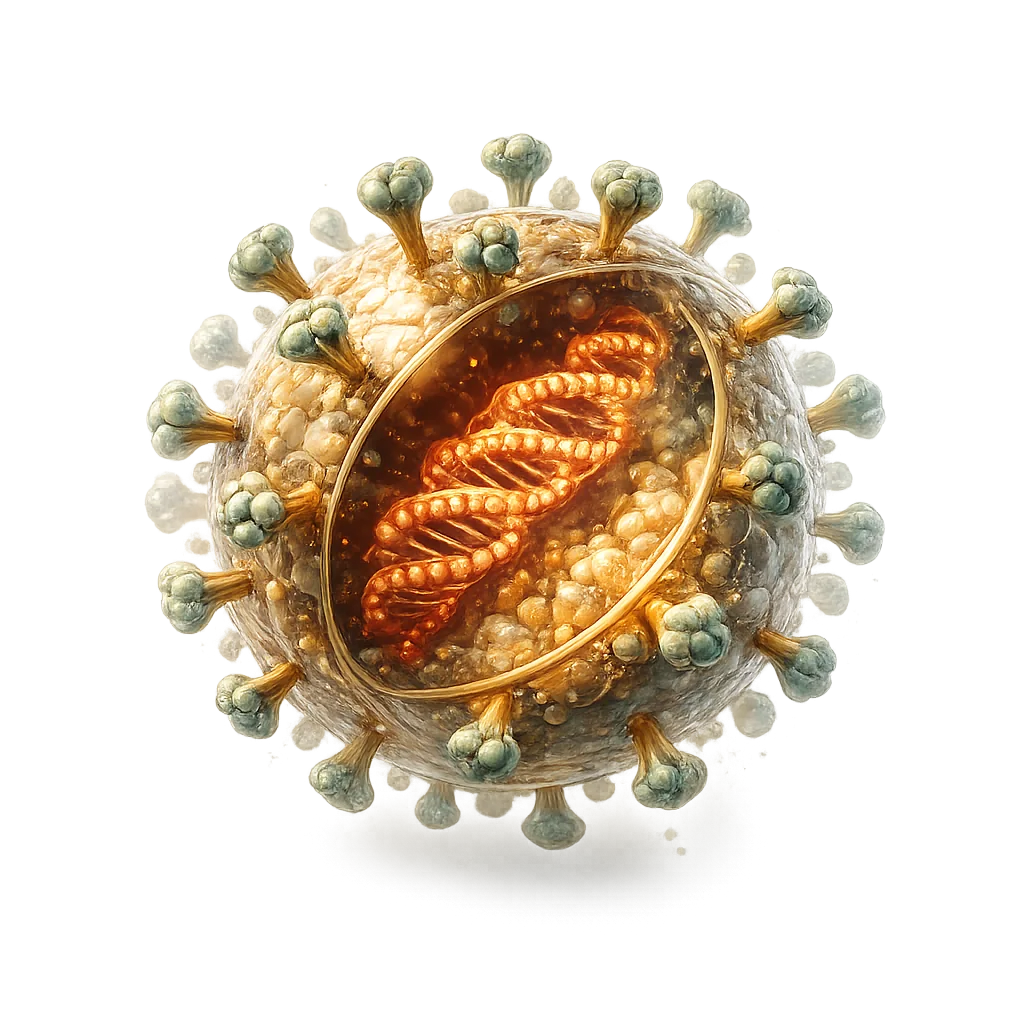
A small infectious agent containing genetic material within a protein coat that replicates using a host cell.
Read article →microscopic-life
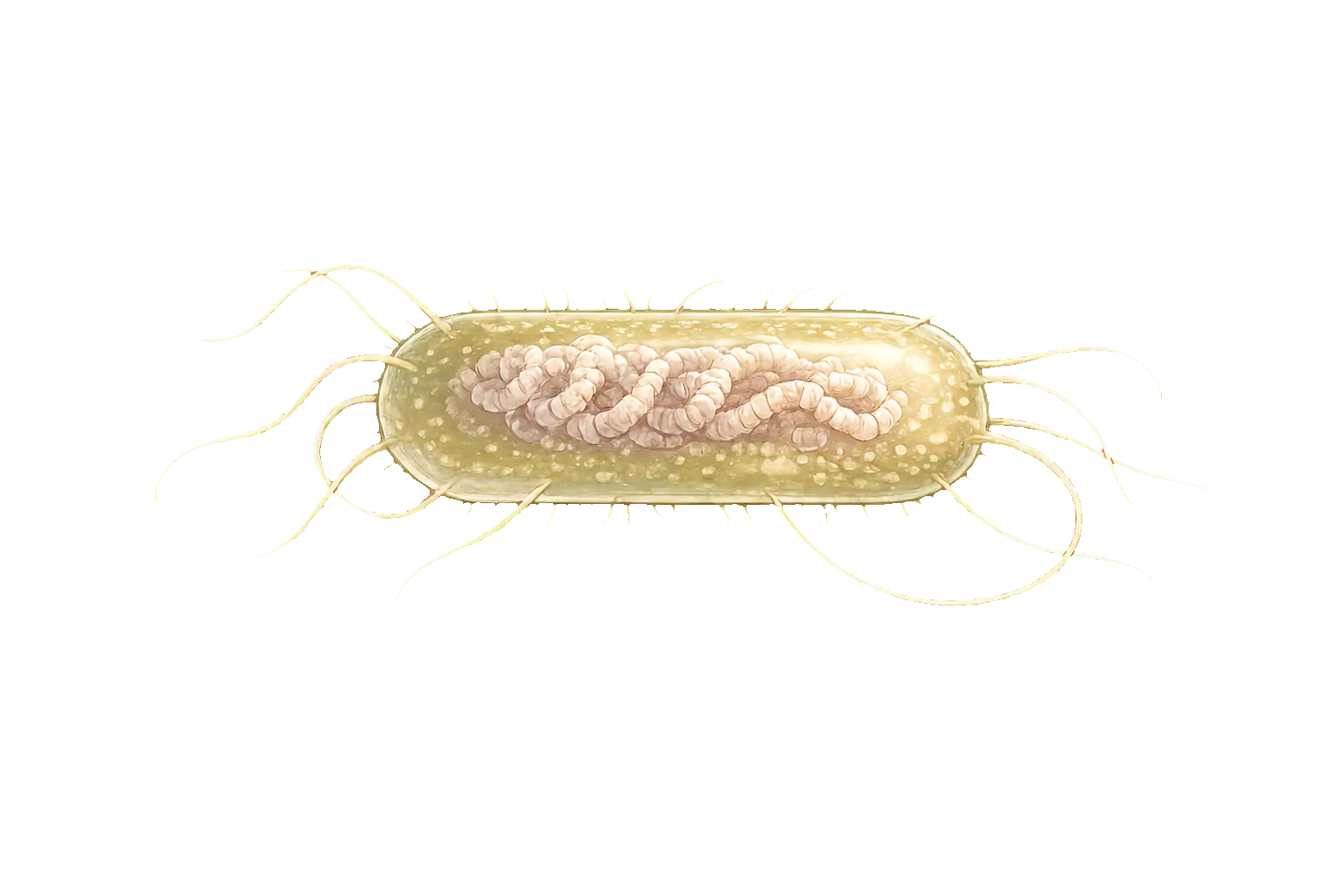
A type of cell belonging to a large domain of prokaryotic microorganisms. Most bacteria are a few micrometres long, with shapes ranging from spheres to rods and spirals.
Read article →life
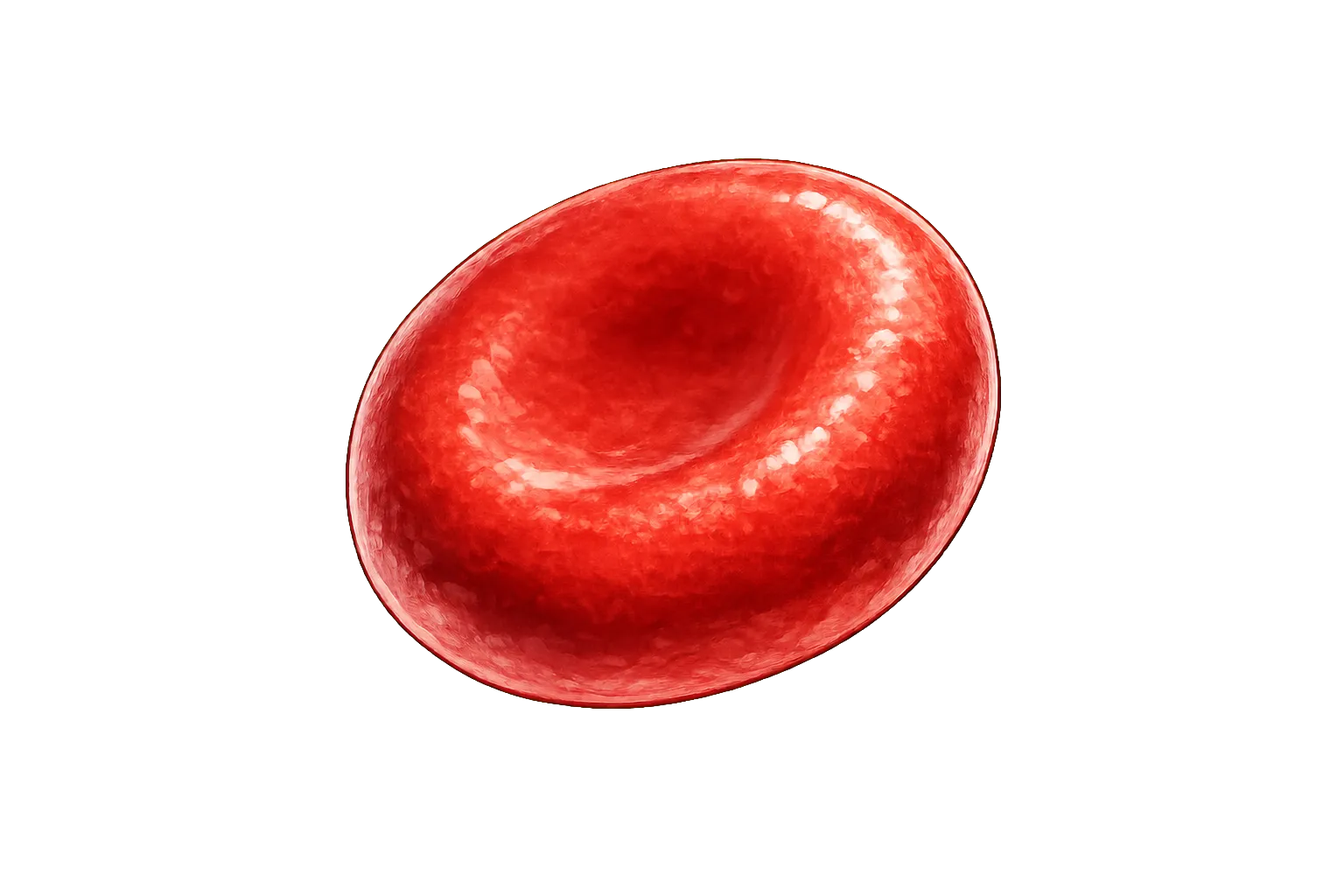
A biconcave disc-shaped blood cell that transports oxygen to cells throughout the body.
Read article →life
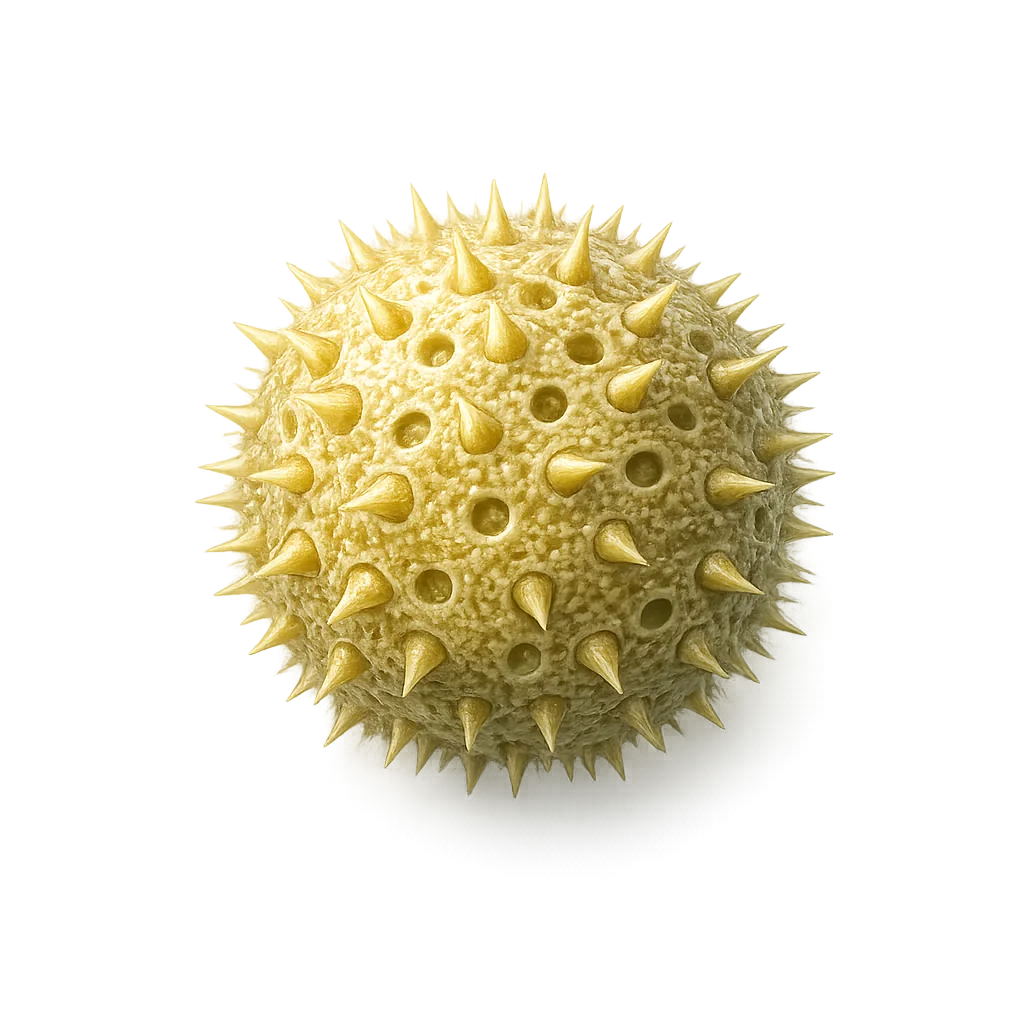
A small structure produced by seed plants to carry the male reproductive cells.
Read article →life
A tiny mite associated with dust in dwellings whose material can act as an allergen.
Read article →life
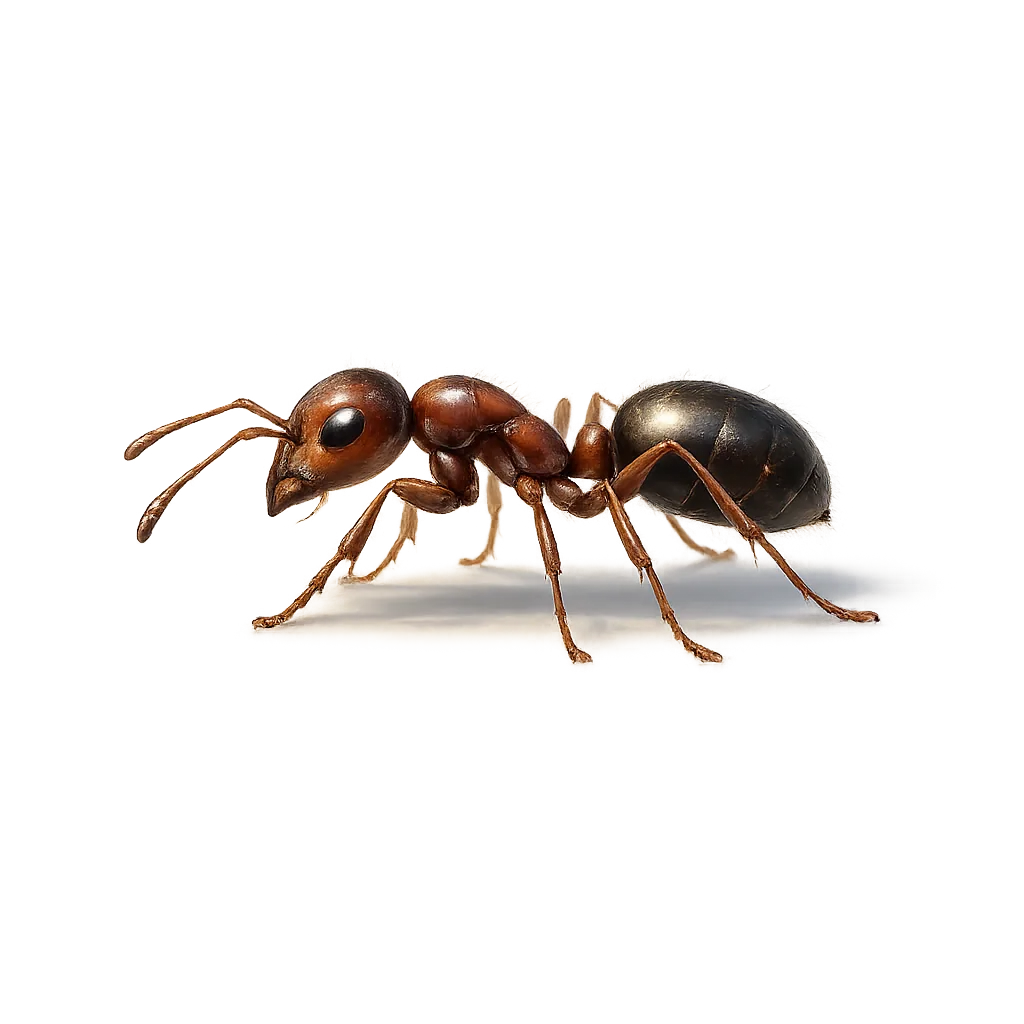
A social insect in the family Formicidae with a segmented body, found across nearly every region of Earth.
Read article →familiar-object
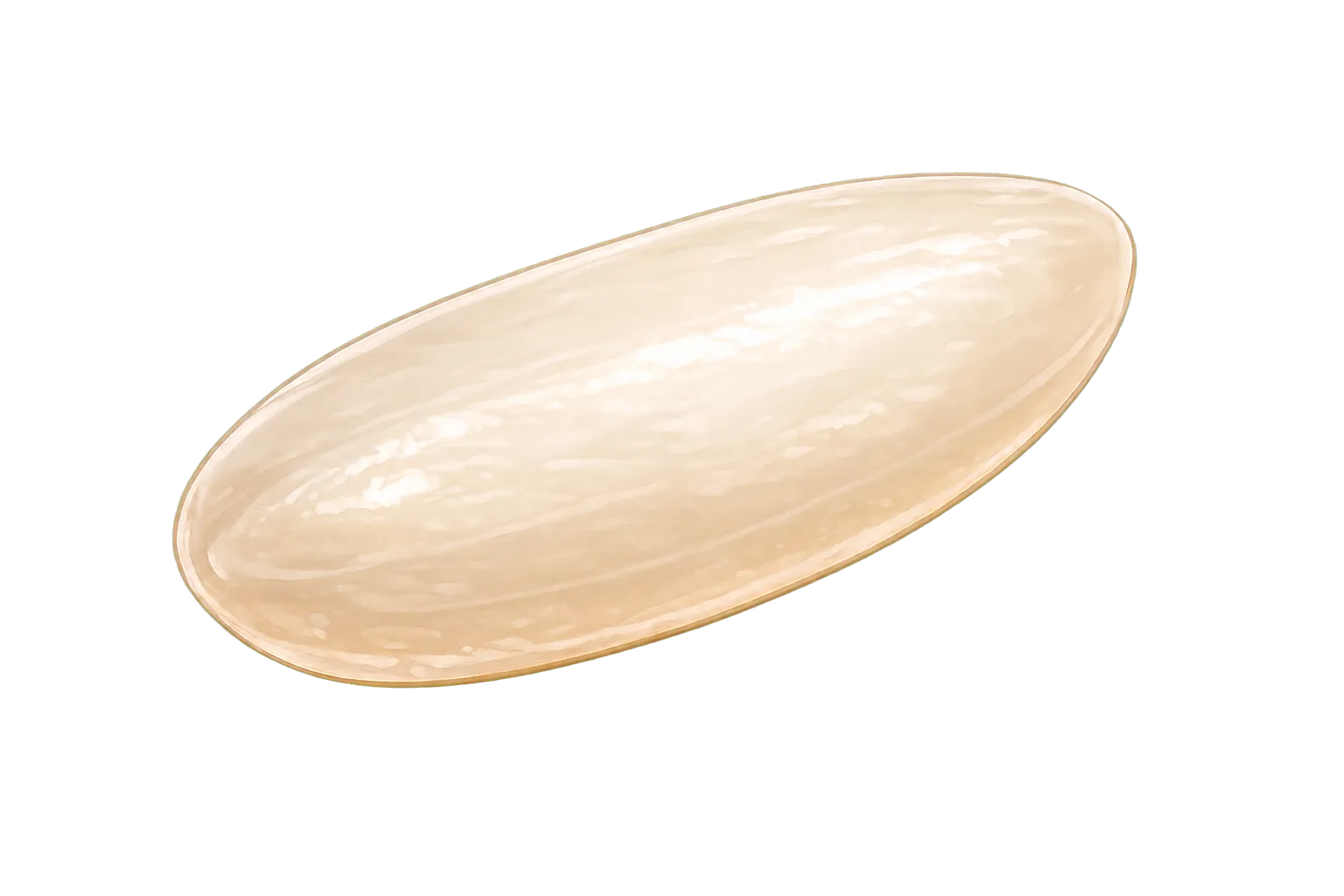
The seed of the grass species Oryza sativa, commonly known as Asian rice. Rice is a cereal grain consumed as a staple food by much of the world's population.
Read article →familiar-object
An egg laid by a chicken, with a hard shell and oval form whose size varies by breed and weight class.
Read article →familiar-object
A spherical ball used to play basketball, available in several sizes for different players and competition rules.
Read article →life
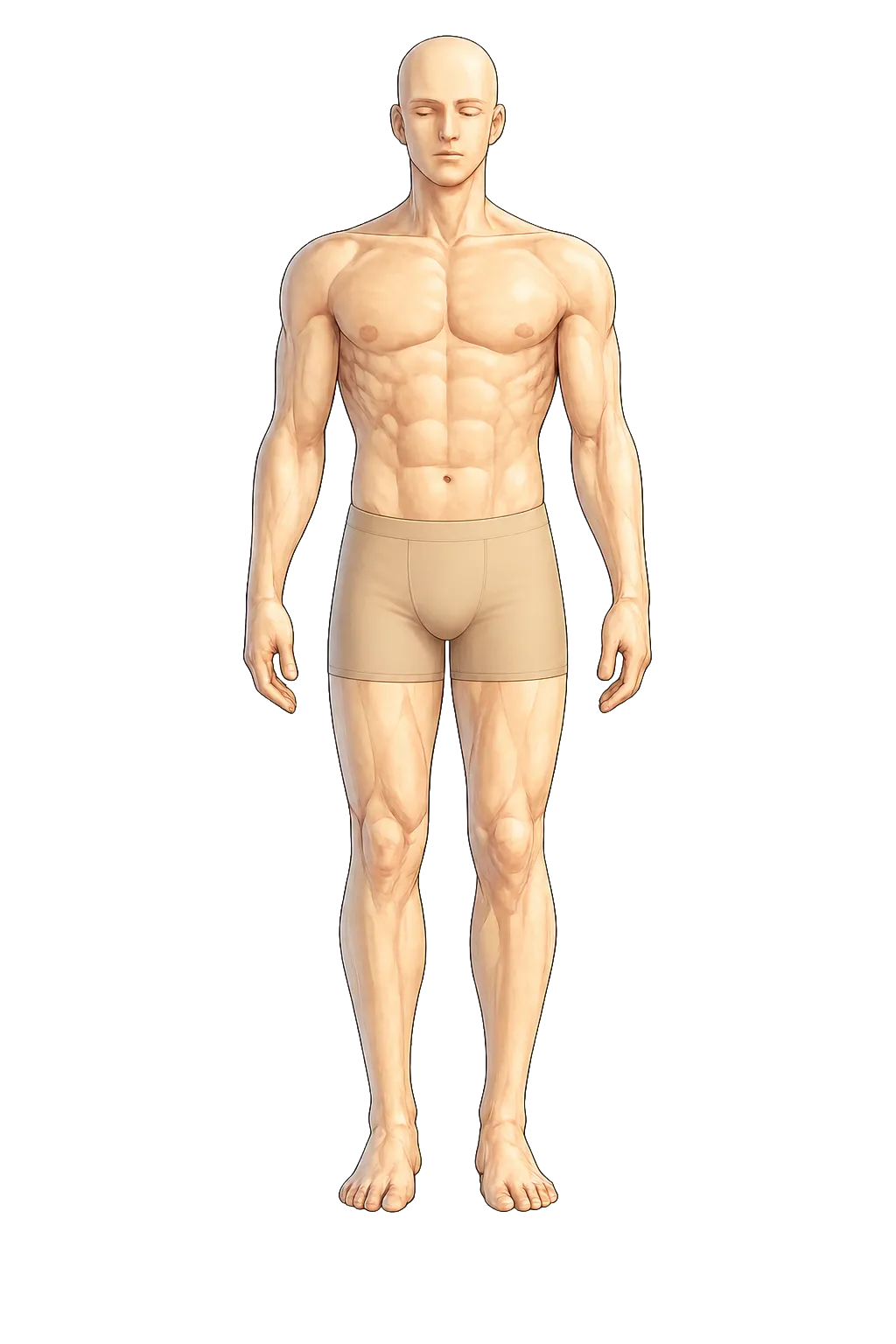
The only living species in the genus Homo, anatomically classified as modern humans.
Read article →life
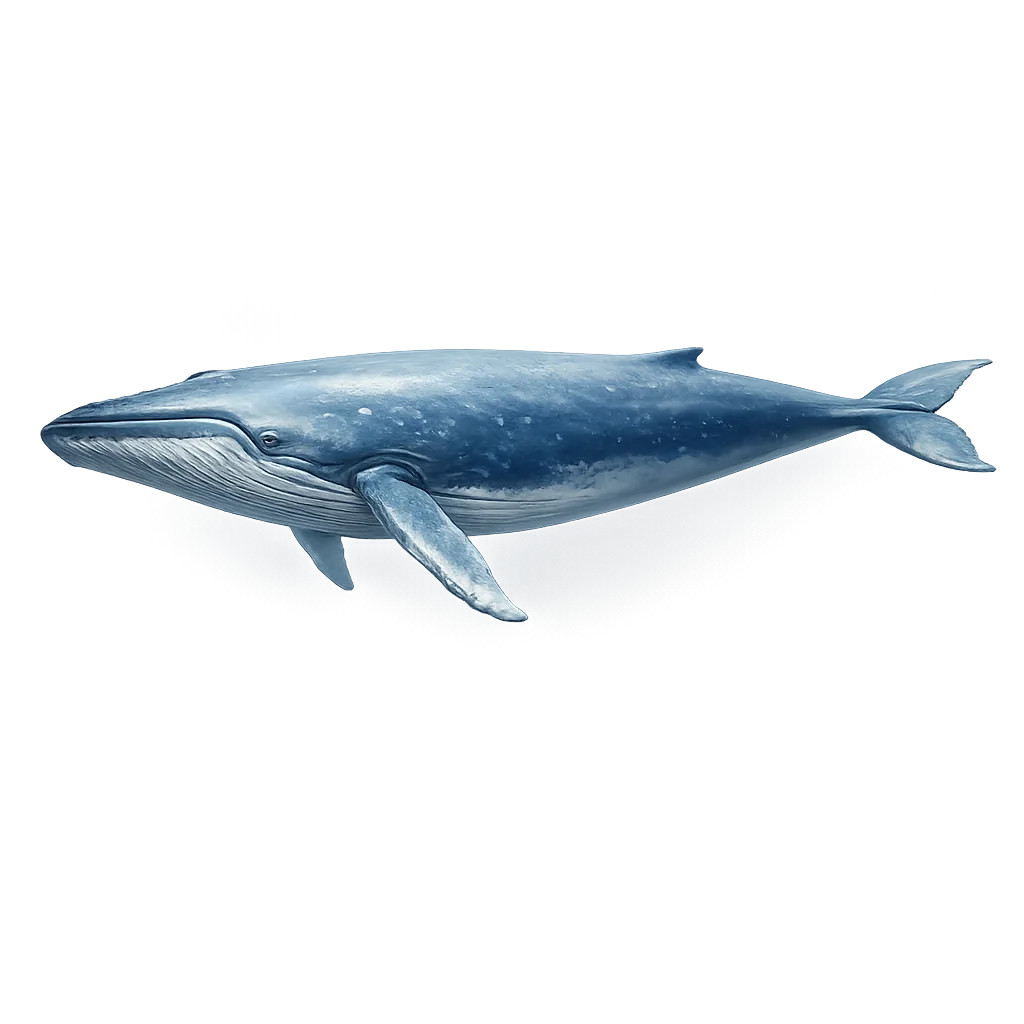
A very large marine mammal and the most massive animal known to be living today.
Read article →structure
An iron lattice tower in Paris, France, constructed for the 1889 World's Fair.
Read article →mountain
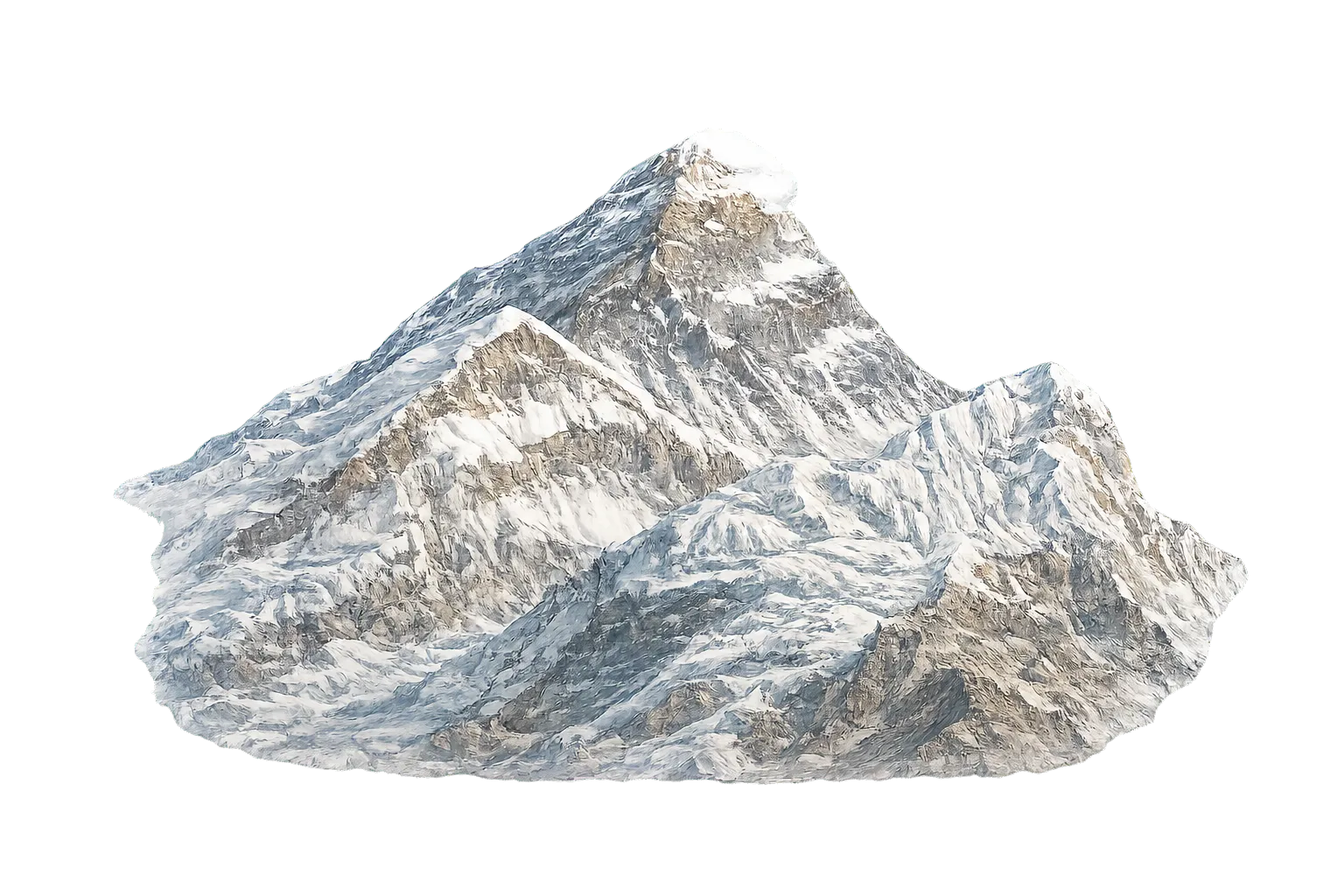
The world's highest mountain above sea level, located in the Mahalangur Himal sub-range of the Himalayas.
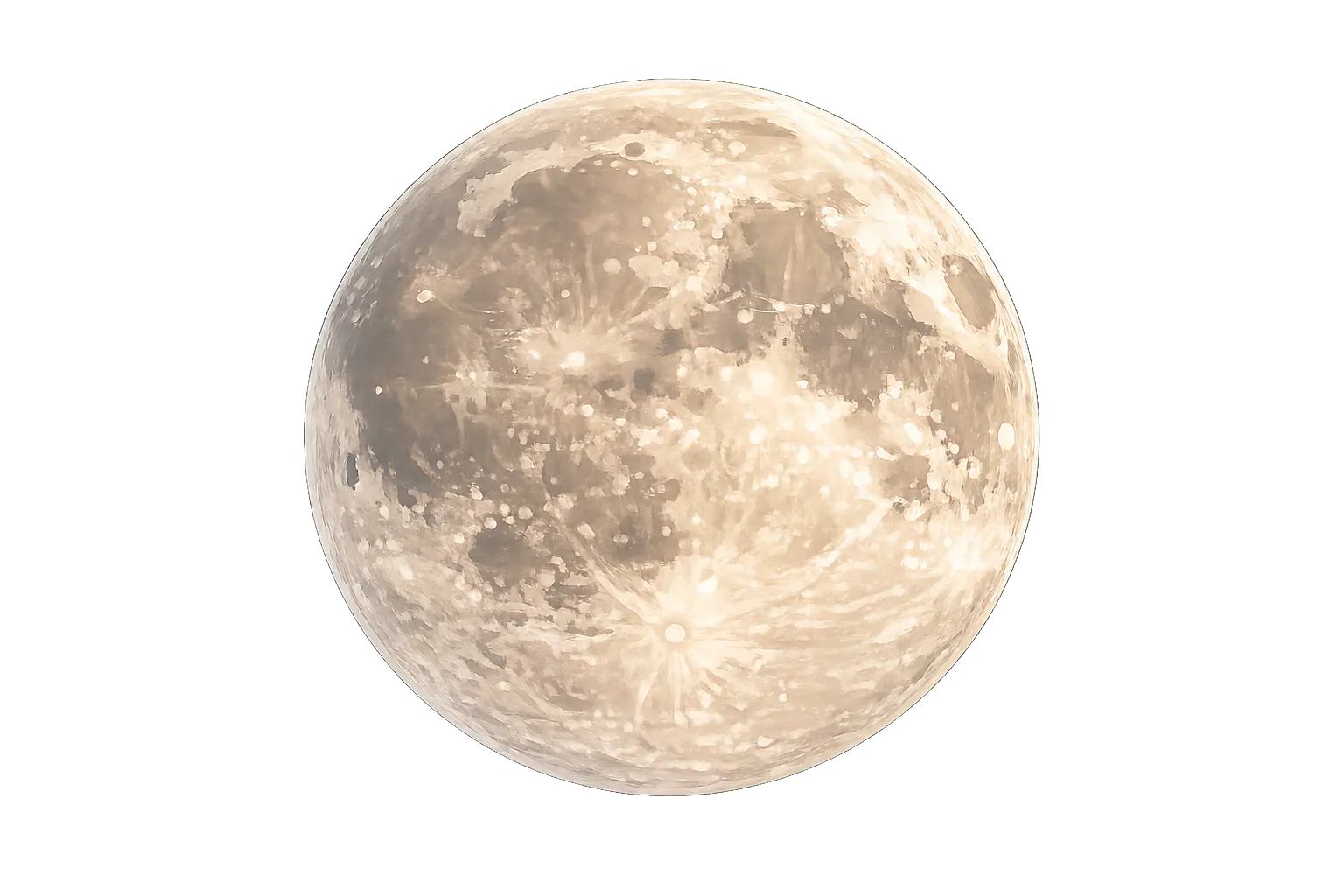
Read article →moon
Earth's only permanent natural satellite and the fifth-largest satellite in the Solar System.
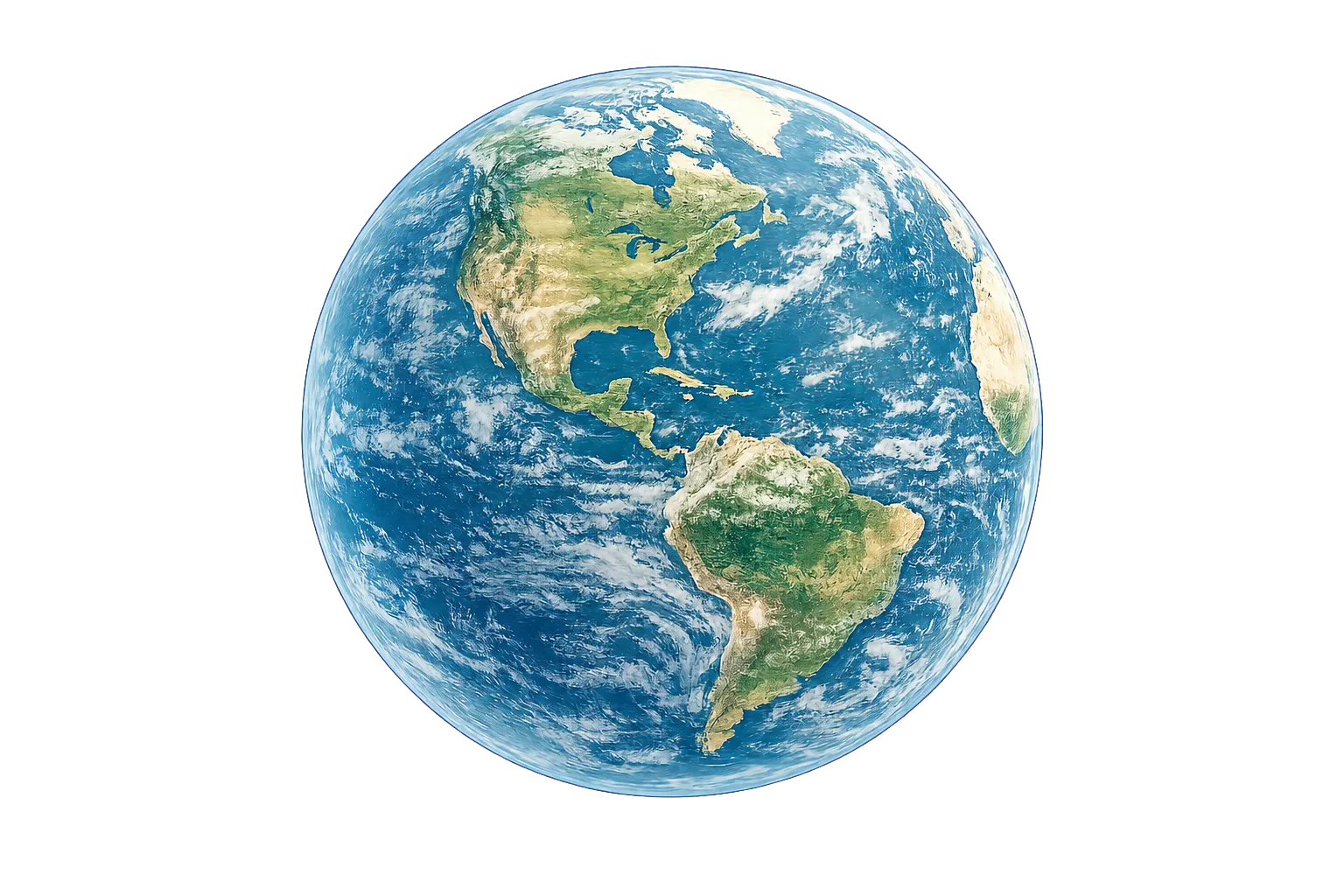
Read article →planet
The third planet from the Sun and the only astronomical object known to support life.
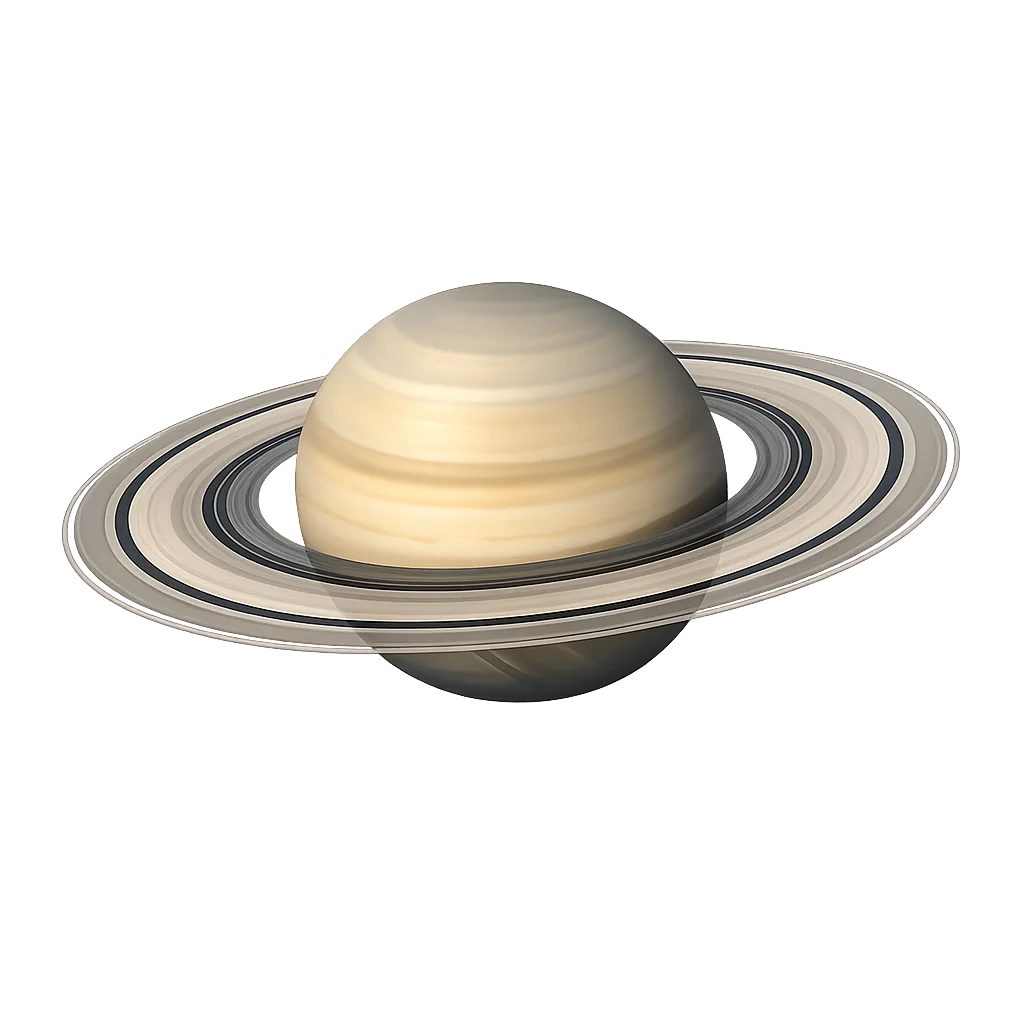
Read article →planet
The sixth planet from the Sun and a gas giant with a prominent ring system.
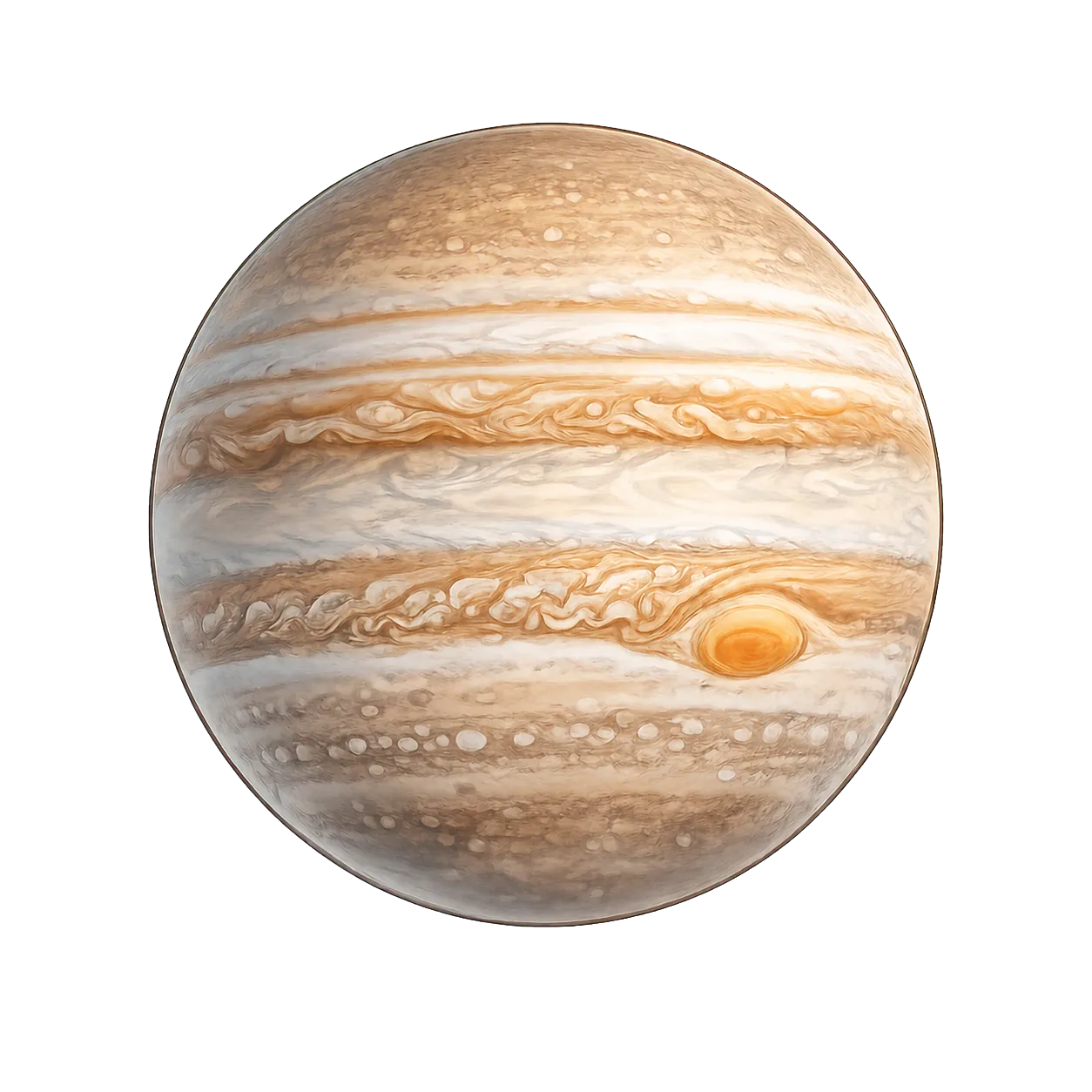
Read article →planet
The fifth planet from the Sun and the largest planet in the Solar System.
Read article →star
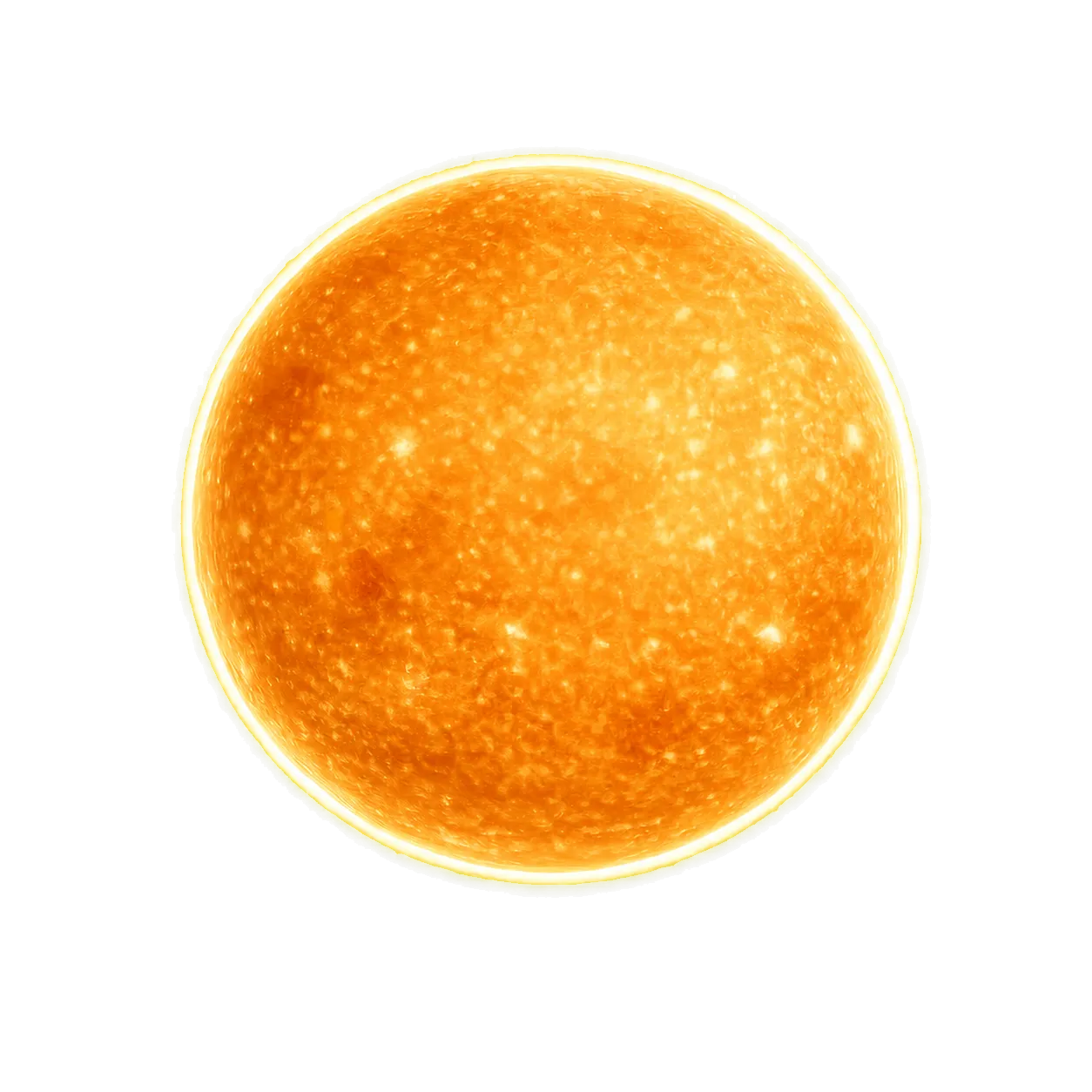
The star at the centre of the Solar System, a nearly perfect sphere of hot plasma that provides Earth with light and energy.
Read article →distance
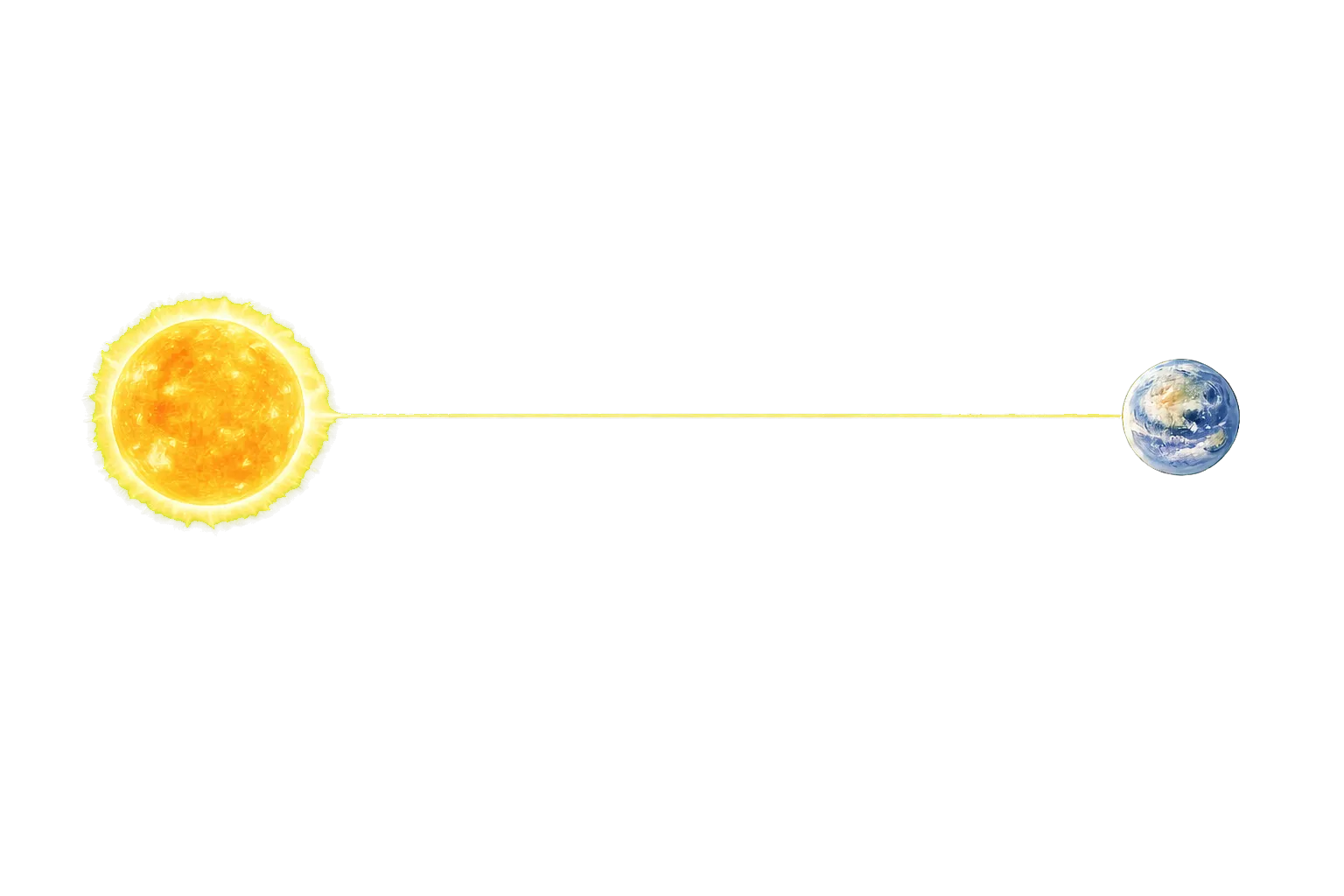
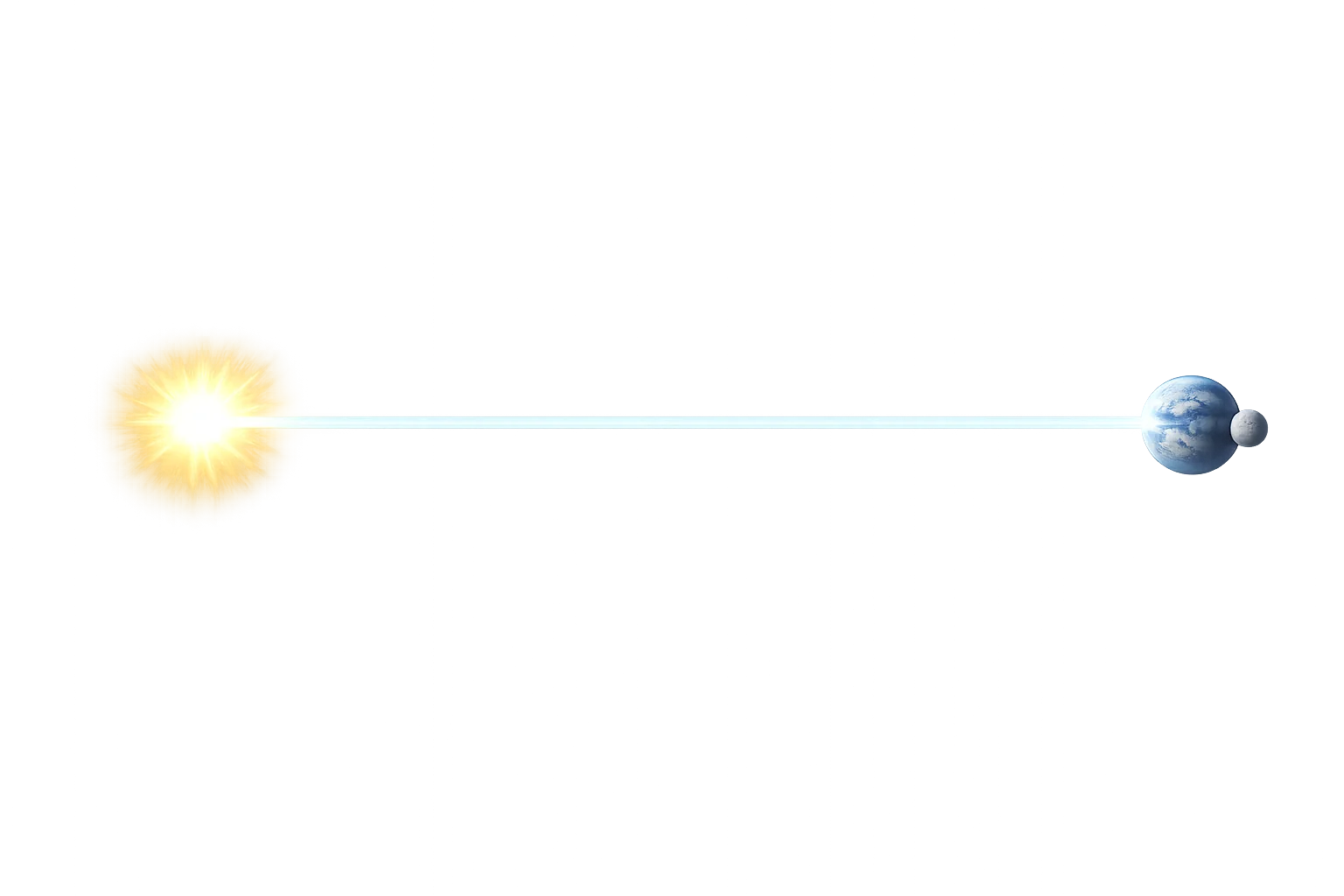
A reference distance of approximately one astronomical unit between Earth and the Sun—about 150 million kilometres or 93 million miles.
Read article →star
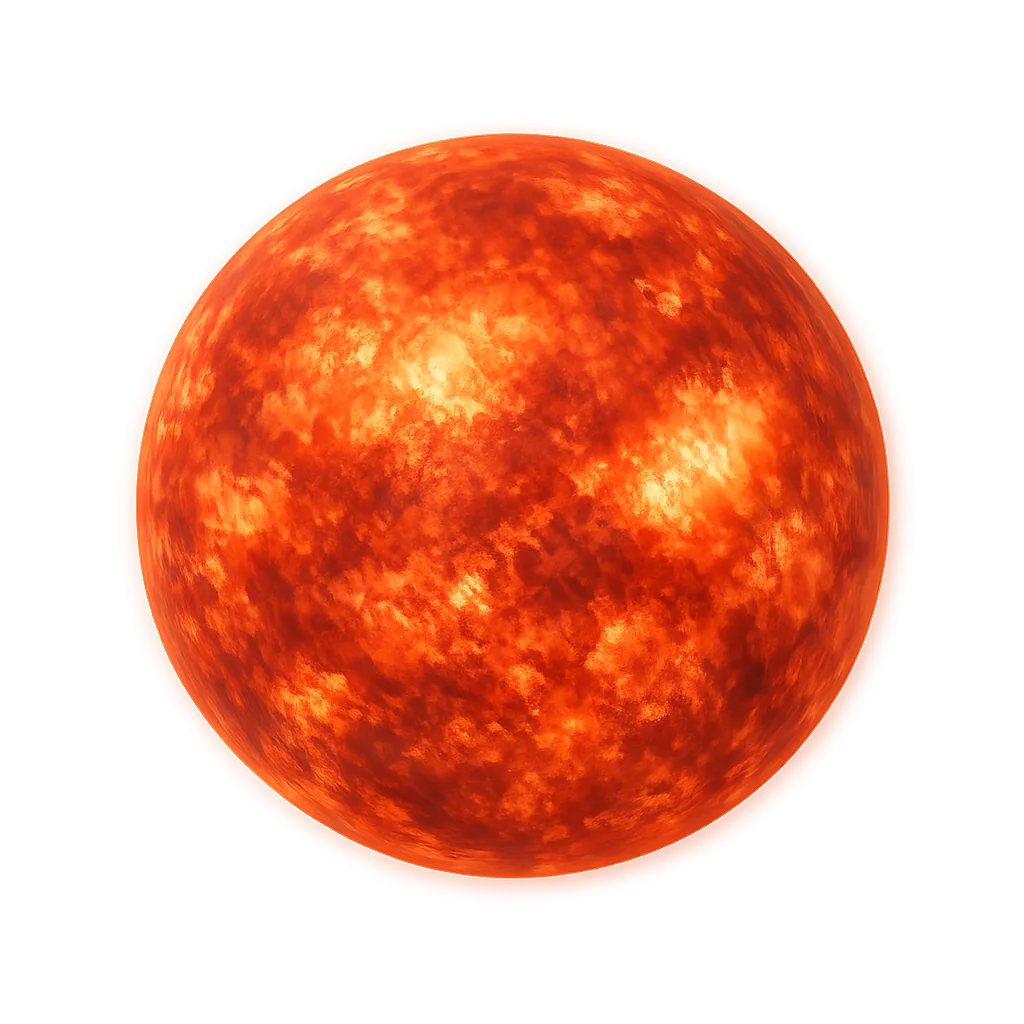
A red supergiant in the constellation Orion whose radius and brightness vary over time.
Read article →stellar-system
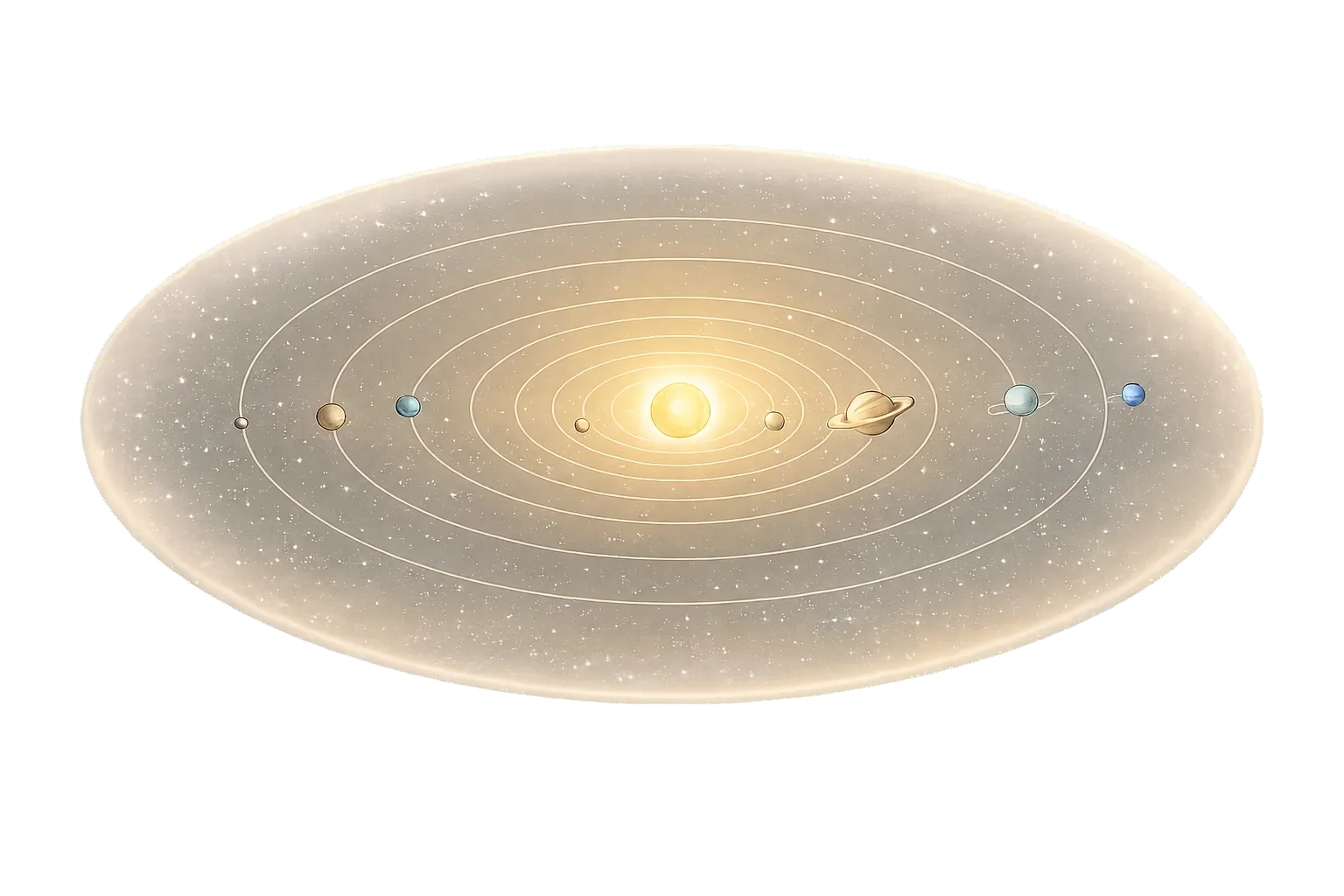
A star system consisting of the Sun and the objects held by gravity in orbit around it, including eight planets.
Read article →distance
The distance light travels through vacuum in one Julian year, approximately 9.46 trillion kilometres.
Read article →nebula
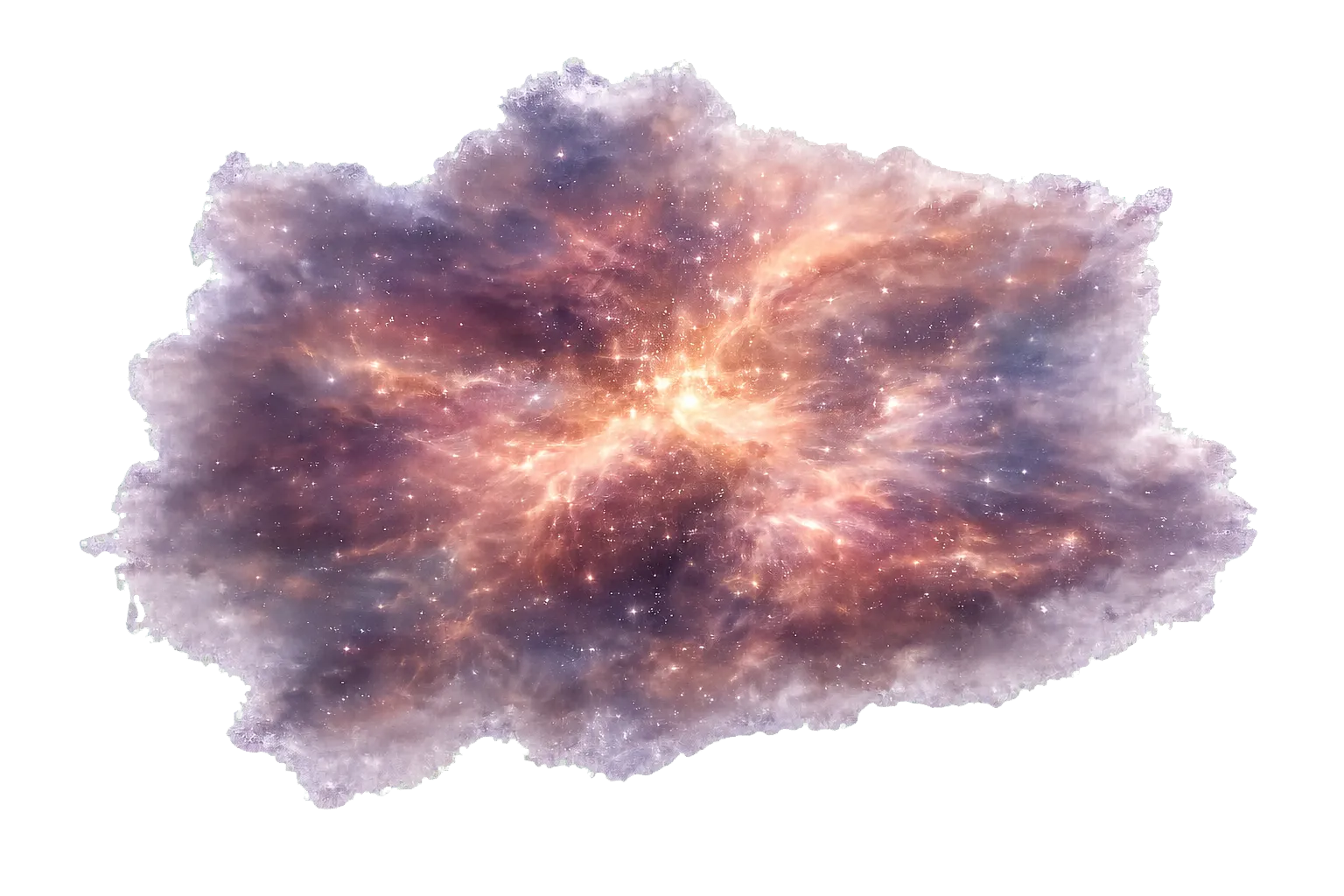
Also known as a Messier object, this nebula lies south of Orion's Belt in the constellation Orion. It is one of the brightest nebulae and is visible to the naked eye.
Read article →stellar-cloud
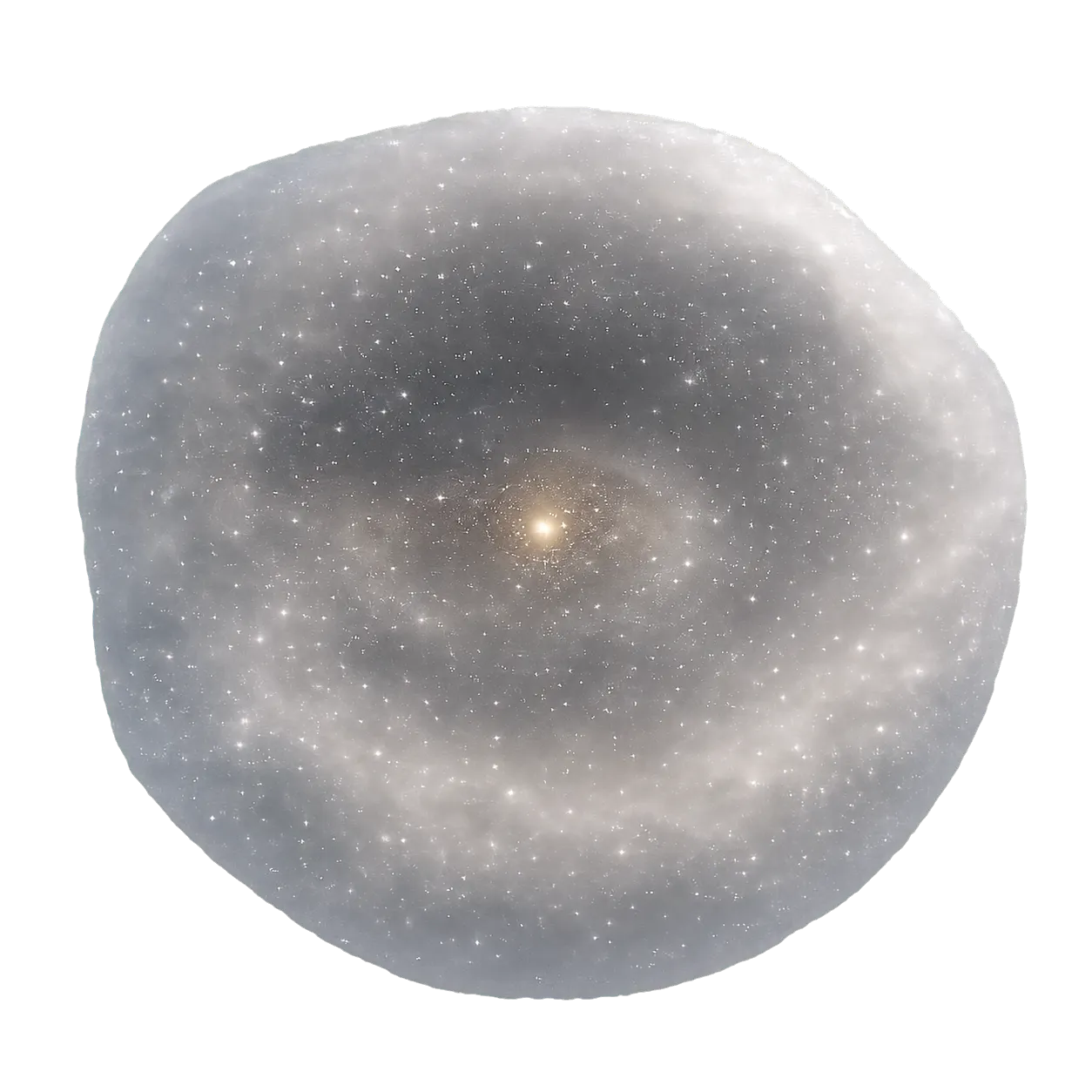
A low-density cavity in the Milky Way's interstellar medium that contains the Solar System.
Read article →galaxy
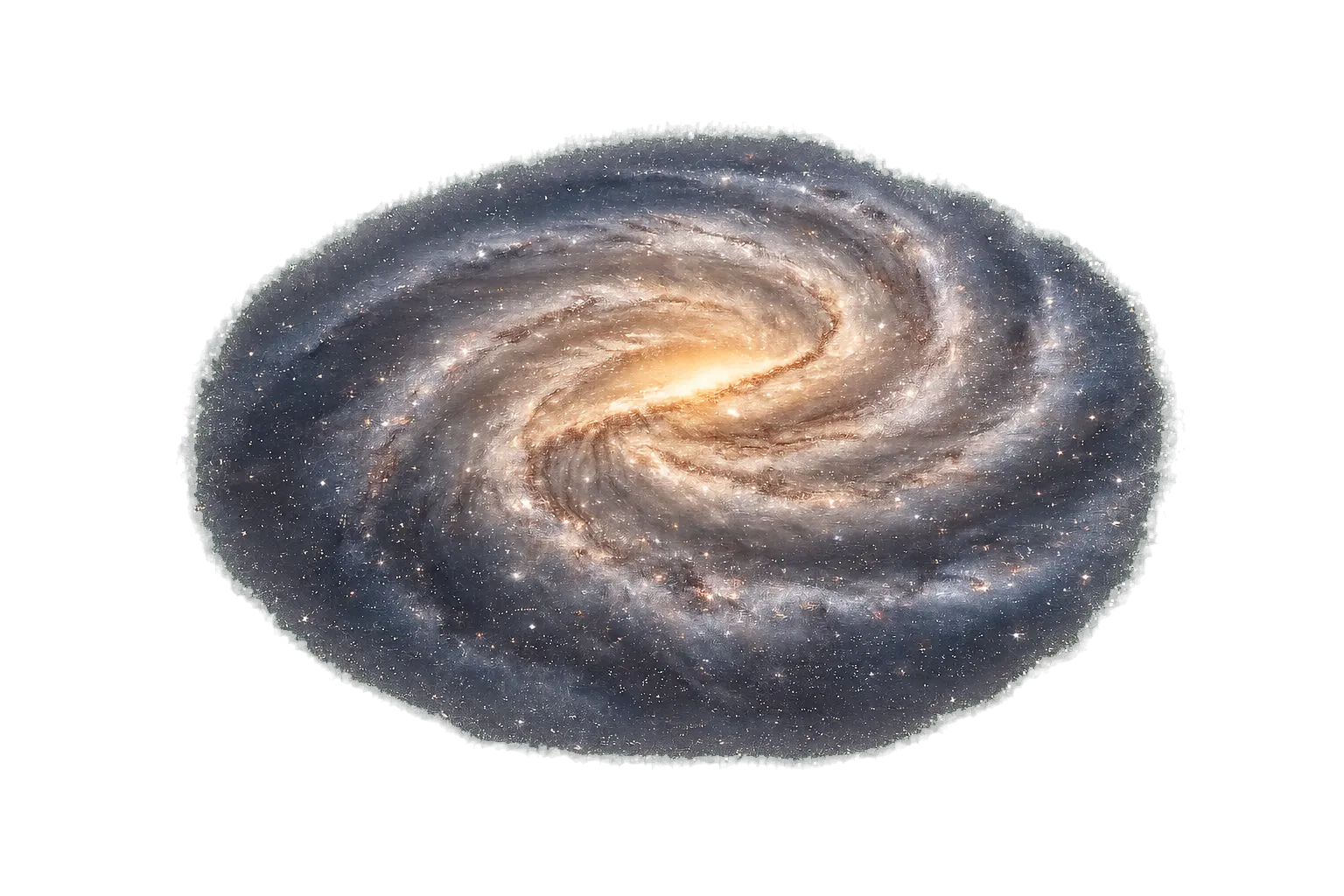
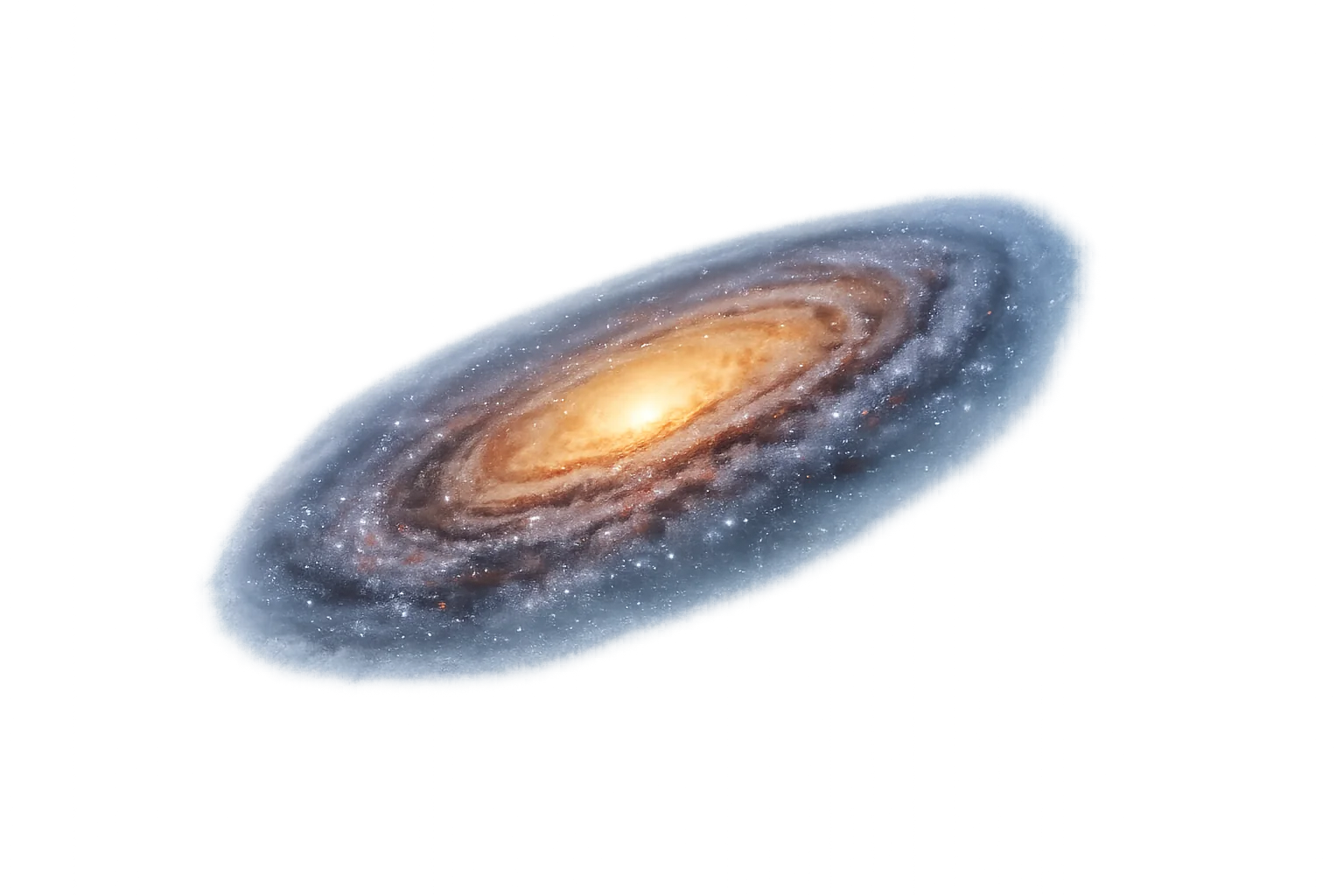
A large spiral galaxy in the Local Group, approximately 2.5 million light-years from the Milky Way.
Read article →galaxy-group
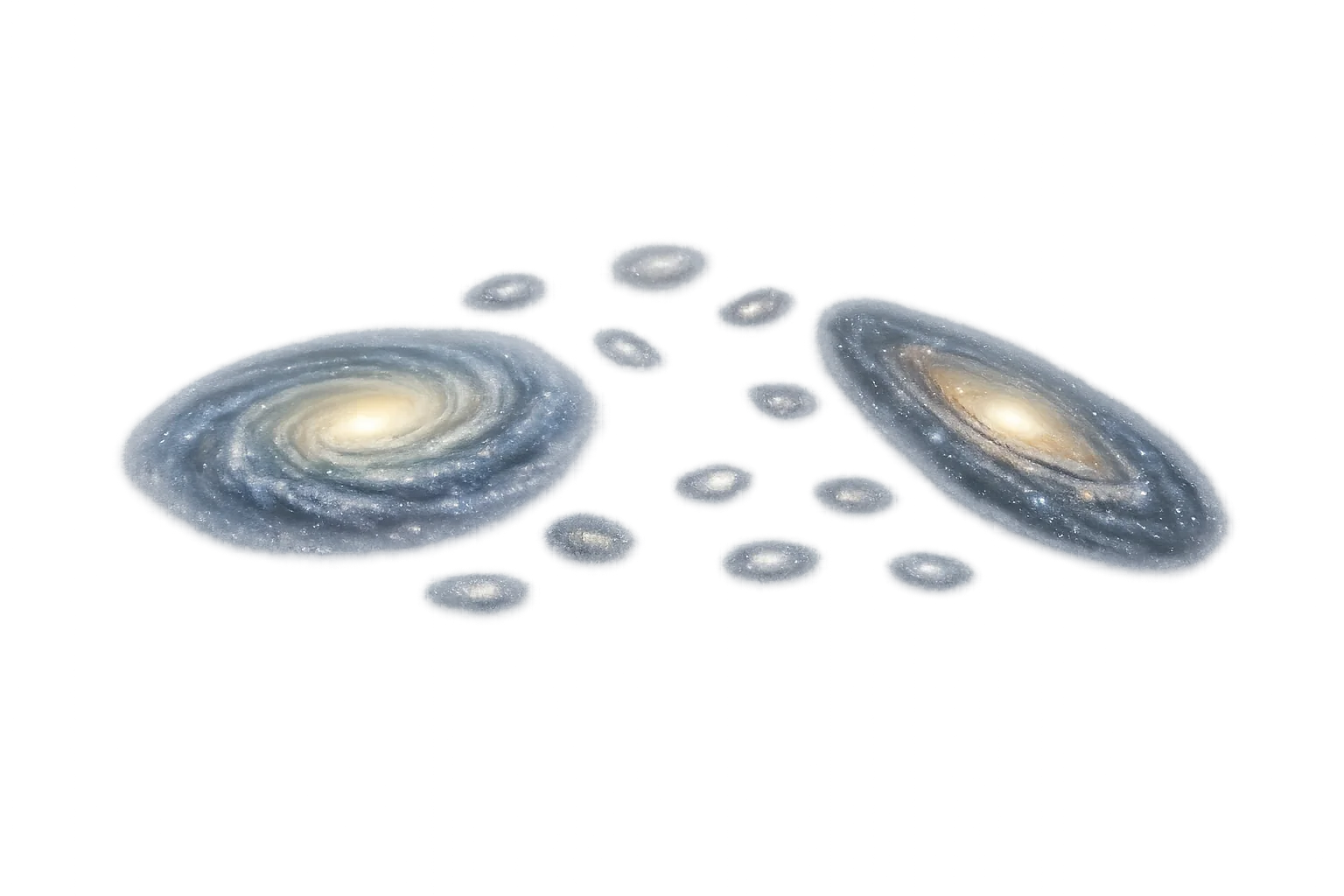
The galaxy group containing the Milky Way, Andromeda, and many smaller galaxies.
Read article →supercluster
A large aggregation of galaxy groups and clusters that includes the Local Group and lies within the Laniakea region.
Read article →supercluster
A vast gravitational basin defined from galaxy flows that includes the region containing the Local Group.
Read article →universe
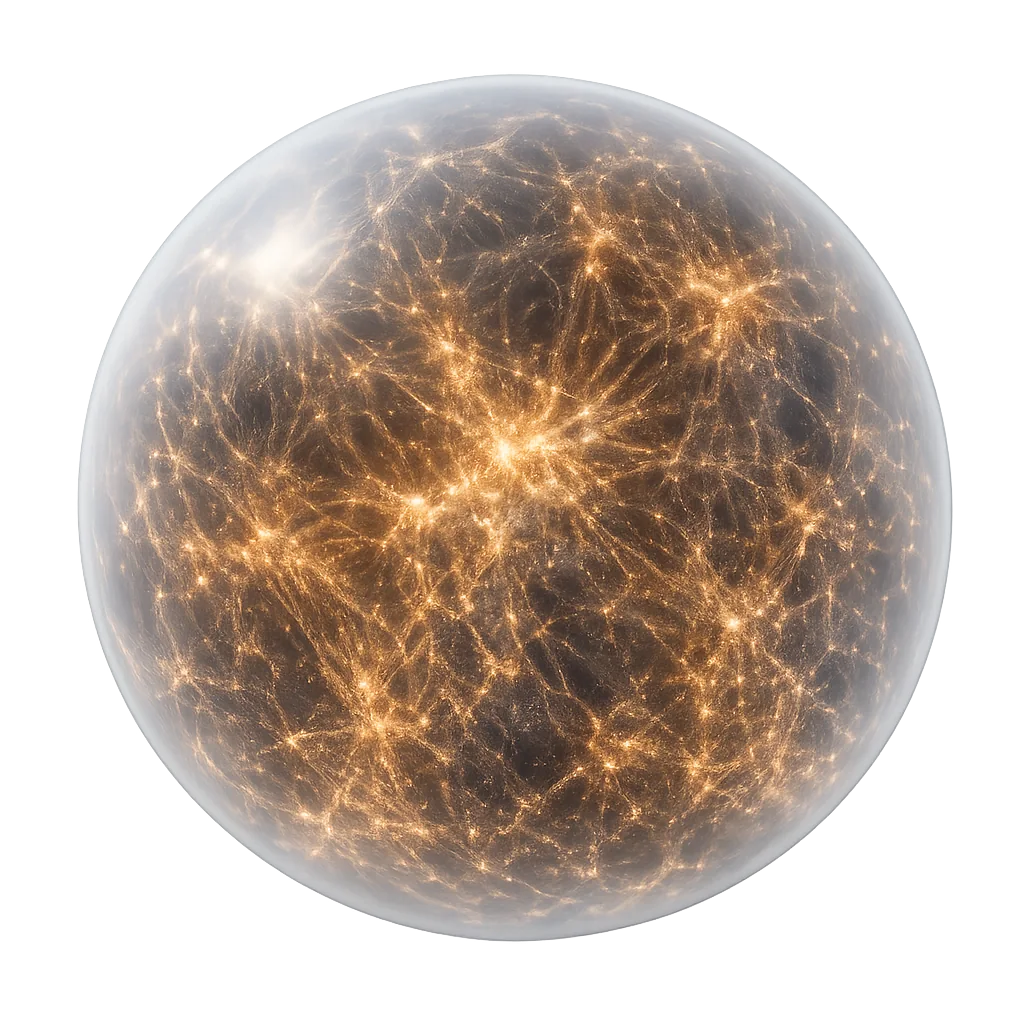
The region of the universe from which signals could have reached an observer since the early universe under the cosmological model.
Read article →